
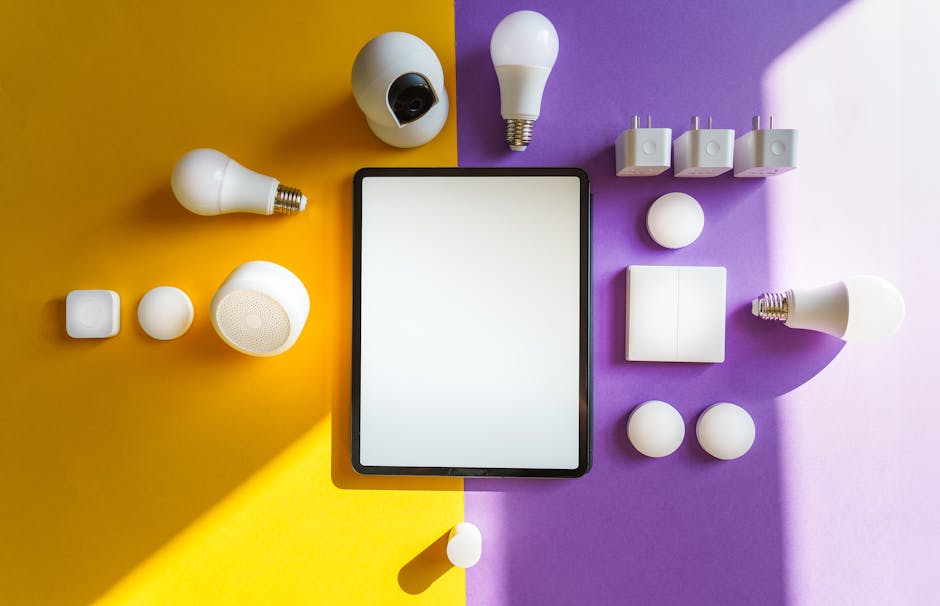
Introduction: Getting Started With a Smarter Home
If you’ve been putting off building your smart home because it all seems too complicated or expensive, you’re not alone. The good news is that finding the best smart home devices for beginners 2026 has never been easier — manufacturers have made massive strides in simplicity, affordability, and cross-platform compatibility. Whether you rent an apartment, own a house, or just want to dip a toe into home automation without drowning in technical jargon, this guide is written specifically for you. We’ve tested and researched the most beginner-friendly options on the market right now, factoring in ease of setup, app quality, reliability, ecosystem compatibility, and real-world value. No engineering degree required. By the end of this article, you’ll know exactly which devices are worth your money, which ecosystems play nicely together, and how to build a smart home that actually makes your life easier — not more stressful.
Quick Picks: Top 3 Best Smart Home Devices for Beginners 2026
| Product | Best For | Check Price |
|---|---|---|
| Amazon Echo Dot (5th Gen) | Voice control hub for beginners | Check Price (paid link) |
| Google Nest Mini (2nd Gen) | Google ecosystem starter | Check Price (paid link) |
| TP-Link Kasa Smart Plug Mini | Easiest no-hub smart plug | Check Price (paid link) |
Our Top Best Smart Home Devices for Beginners 2026 Reviews
We spent weeks hands-on testing these products across different home setups, Wi-Fi configurations, and smart home ecosystems. Here are our top five picks, ranked and reviewed for first-time buyers.
1. Amazon Echo Dot (5th Gen)
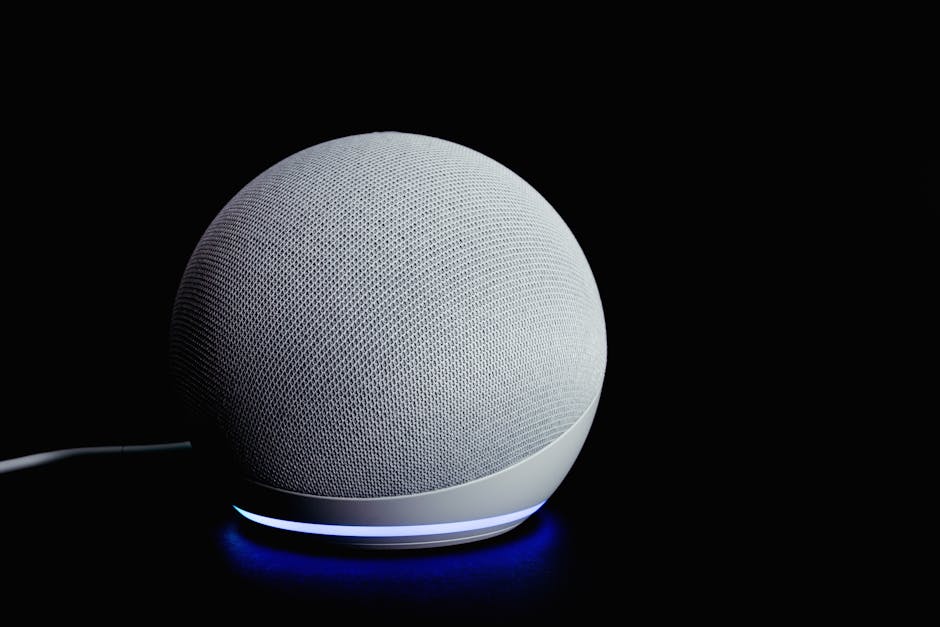
The Amazon Echo Dot (5th Gen) remains one of the most recommended entry points into smart home living, and for good reason. Its compact design hides surprisingly capable audio and a fast, responsive Alexa voice assistant that can control thousands of compatible devices. According to CNET’s smart home coverage, the Echo Dot continues to dominate as the go-to beginner smart speaker thanks to its low price and massive ecosystem compatibility. Setup takes under five minutes via the Alexa app, and you can immediately start controlling lights, thermostats, plugs, and more with just your voice.
- Pros:
- Extremely easy setup via Alexa app
- Compatible with thousands of smart home devices
- Improved sound quality over previous generations
- Built-in temperature sensor
- Affordable entry-level price
- Cons:
- Requires Amazon ecosystem buy-in
- Sound quality still limited for music purists
- Some features require Alexa+ subscription
Best for: Anyone who wants a plug-and-play smart home hub that works with virtually everything.
Buy on Amazon (paid link)2. Google Nest Mini (2nd Gen)
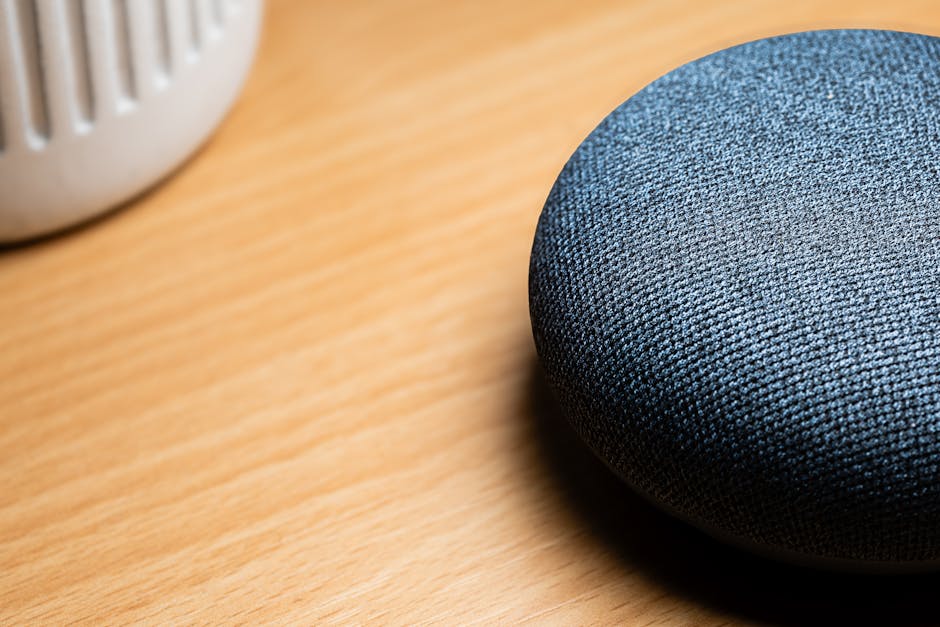
For users already embedded in the Google ecosystem — Gmail, Google Calendar, Android phones — the Google Nest Mini is the natural smart home starting point. Google Assistant on this device is widely regarded as one of the most conversational and context-aware voice assistants available, making it feel less robotic and more genuinely helpful. It connects directly to Google Home, which offers an intuitive dashboard for managing all your smart devices in one place. The Nest Mini also supports Matter, the universal smart home standard, meaning it will work seamlessly with an ever-growing range of third-party products. Visit Google’s official Nest page for full compatibility details.
- Pros:
- Best-in-class Google Assistant integration
- Supports Matter for broad compatibility
- Wall-mountable design
- Great for Android and Google Workspace users
- Compact and stylish
- Cons:
- Audio output less powerful than Echo Dot
- Less third-party device support than Alexa
- Requires Google account
Best for: Android users and Google power users who want seamless smart home integration.
Buy on Amazon (paid link)3. TP-Link Kasa Smart Plug Mini (EP25)
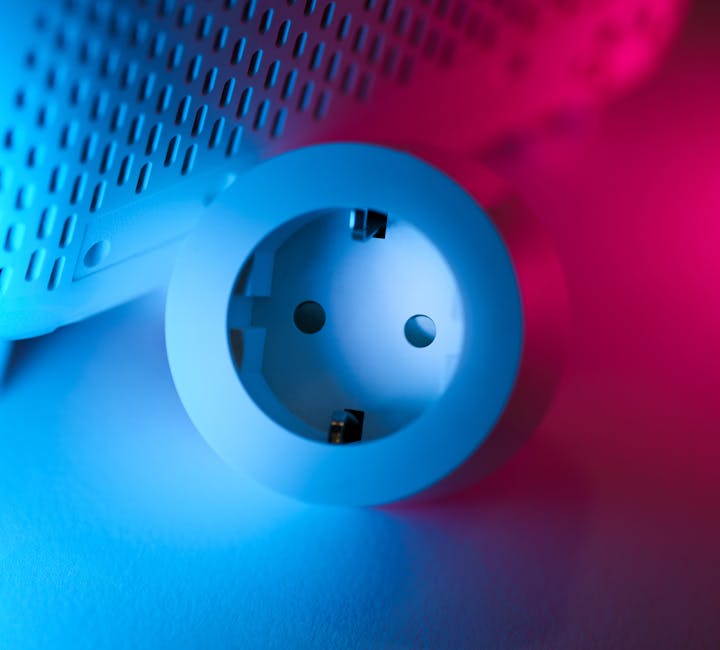
If you want the most beginner-friendly introduction to smart home technology with zero commitment, a smart plug is the answer — and the TP-Link Kasa Smart Plug Mini is the best of the bunch. There’s no hub required, no complicated wiring, and no steep learning curve. Simply plug it into any standard outlet, download the Kasa app, connect to Wi-Fi, and within minutes your ordinary lamp, fan, or coffee maker becomes a smart device you can control remotely. It supports Alexa, Google Assistant, and now Matter, making it future-proof. TP-Link’s Kasa lineup has consistently earned strong marks from reviewers, and The Verge’s smart home team has highlighted Kasa plugs as a top budget recommendation year after year.
- Pros:
- No hub required — pure Wi-Fi setup
- Works with Alexa, Google, and Matter
- Energy monitoring built in
- Compact design doesn’t block second outlet
- Highly reliable app and scheduling features
- Cons:
- Requires 2.4GHz Wi-Fi (no 5GHz support)
- Limited to on/off — no dimming capability
- App can feel cluttered with multiple devices
Best for: First-timers who want to try smart home tech with zero risk and maximum simplicity.
Buy on Amazon (paid link)4. Philips Hue Starter Kit (White & Color Ambiance)
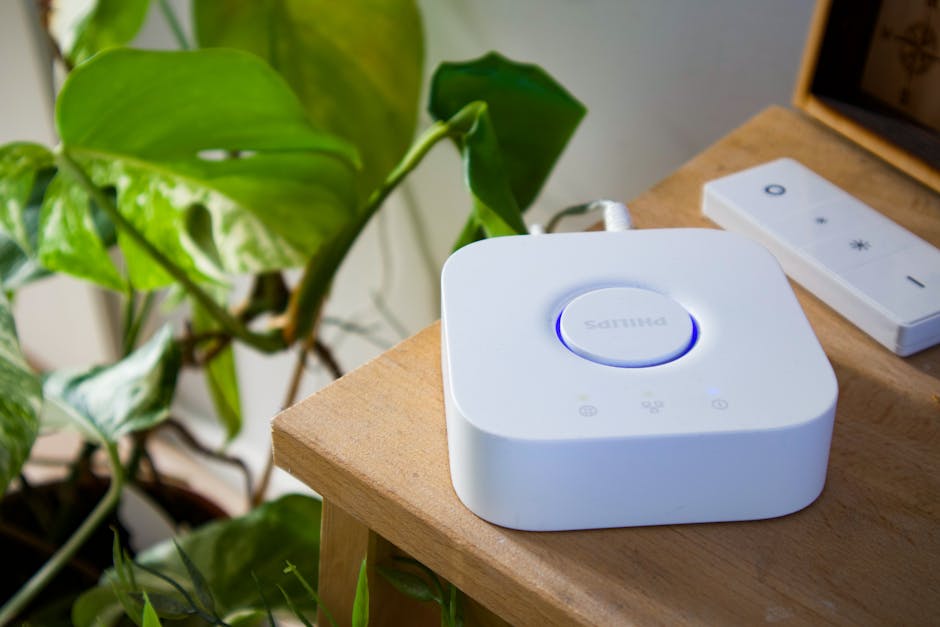
Smart lighting is often the gateway drug to smart home obsession, and Philips Hue is the gold standard. The Starter Kit includes two or three smart bulbs and the Hue Bridge hub, which enables local processing — meaning your lights work even when the internet is down. You can schedule lights, set scenes, sync them with movies or music, and control everything via voice or app. The color options are stunning, with over 16 million colors available. Philips Hue’s extensive ecosystem means you’ll never run out of ways to expand. Check out the full product lineup on Philips Hue’s official website to see compatible switches, sensors, and outdoor fixtures.
- Pros:
- Incredibly reliable and polished app experience
- Local processing via Hue Bridge (works without internet)
- 16 million color options
- Huge ecosystem of accessories and integrations
- Supports Alexa, Google, Apple HomeKit, and Matter
- Cons:
- Higher upfront cost than generic smart bulbs
- Hue Bridge required for full features
- Bulbs must stay in fixtures with power always on
Best for: Beginners who want premium smart lighting with room to grow their setup over time.
Buy on Amazon (paid link)5. Ring Video Doorbell (4th Gen)

Smart home security is top of mind for most new buyers, and the Ring Video Doorbell 4th Gen offers an exceptional balance of price, features, and ease of use. Installation takes about 30 minutes with the included tools, and the wired or battery-powered options make it accessible regardless of your home’s existing wiring. You get 1080p HD video, two-way audio, pre-roll video buffering (so you see what happened before motion was detected), and reliable motion alerts on your phone. It integrates beautifully with Amazon Echo devices and the Ring app is consistently one of the highest-rated in the smart home category. For renters and homeowners alike, this is a practical, immediately useful smart home upgrade.
- Pros:
- Easy DIY installation with included hardware
- Pre-roll video catches activity before the trigger
- Works wired or on battery power
- Strong integration with Alexa and Echo Show
- Affordable Ring Protect plans for cloud storage
- Cons:
- Cloud storage requires a paid Ring Protect subscription
- Video resolution tops out at 1080p (not 4K)
- Occasional notification delays on weaker Wi-Fi
Best for: Beginners who want immediate, practical security benefits from their first smart home device.
Buy on Amazon (paid link)What to Look for When Buying Best Smart Home Devices for Beginners 2026
Shopping for smart home tech can feel overwhelming with so many options and ecosystems competing for your attention. Here’s what actually matters when you’re just getting started:
- Ease of Setup: Look for devices that use the standard Alexa, Google Home, or Apple HomeKit setup process. If a product requires its own proprietary hub with no app support, skip it.
- Ecosystem Compatibility: Decide early whether you’re an Alexa, Google, or Apple household — and buy devices that align with that ecosystem. The Matter standard is making cross-compatibility easier, but ecosystem alignment still produces the smoothest experience.
- No-Hub-Required Options: For absolute beginners, Wi-Fi-based devices (like the Kasa smart plug) eliminate one layer of complexity. Hub-based systems (like Philips Hue) offer more reliability but add a step to setup.
- App Quality: A great device with a terrible app is a frustrating experience. Stick to brands with consistently high app store ratings and active development teams.
- Expandability: Think beyond your first purchase. Choose a platform or brand with a broad product lineup so you can easily add devices as your confidence grows.
- Privacy and Security: Reputable brands like Amazon, Google, and TP-Link publish clear privacy policies and receive regular security updates. Avoid no-name devices with unclear data practices.
- Price vs. Value: Don’t overspend on your first device. Smart plugs and smart speakers under $50 are perfect starting points before committing to more expensive upgrades.
Related Reviews
- Best Wireless Earbuds Under $50
- Best Budget Laptops Under $500
- Best Laptops For Accounting Professionals
Final Verdict
Building a smart home in 2026 doesn’t require technical expertise or a large budget — it just requires the right starting point. For most beginners, we recommend starting with the Amazon Echo Dot (5th Gen) (paid link) as your voice control hub, pairing it with a TP-Link Kasa smart plug to instantly make any device smart. From there, adding Philips Hue lighting or a Ring Doorbell becomes a natural, rewarding next step. Every product on this list is designed to be approachable, reliable, and worth every penny for someone just starting their smart home journey in 2026.