
Introduction: How Long Will a Budget Laptop Last?
If you’re shopping on a tight budget, one of the first questions you’ll ask is: how long will a budget laptop last? The honest answer depends on several factors — the brand’s build quality, how well you maintain it, and what you use it for. Generally, a budget laptop can last anywhere from 3 to 5 years with proper care, though some well-chosen models push past that range.
This guide is for students, remote workers, parents buying a first laptop for their kids, or anyone who needs reliable daily performance without spending a fortune. We’ve researched and reviewed five of the best budget laptops available in 2026 that strike the right balance between price, durability, and longevity. Whether you need it for browsing, schoolwork, light office tasks, or video calls, we’ve got a pick for you. Read on to find out which budget laptop will give you the most mileage for your money.
Quick Picks: Top 3 Budget Laptops for Longevity
| Laptop | Best For | Link |
|---|---|---|
| Acer Aspire 3 | Students & everyday use | Check Price (paid link) |
| Lenovo IdeaPad 1 | Basic tasks & portability | Check Price (paid link) |
| HP Stream 14 | Lightweight on-the-go use | Check Price (paid link) |
Reviews: The 5 Best Budget Laptops That Last
1. Acer Aspire 3 (2025 Edition)

The Acer Aspire 3 continues to be one of the most recommended budget laptops year after year — and for good reason. Powered by AMD Ryzen processors and featuring up to 8GB of RAM, it handles everyday tasks with ease. Its sturdy plastic chassis holds up well to daily use, and Acer’s reputation for parts availability means repairs are accessible if needed.
- Pros:
- Reliable AMD Ryzen performance for the price
- Good battery life (up to 8–9 hours)
- Upgradeable RAM and storage options
- Solid keyboard and decent display for the budget segment
- Cons:
- Plastic build feels less premium
- Display brightness could be higher
- Fan can get loud under load
Best for: Students and everyday users who want a reliable workhorse that can last 4–5 years with minimal fuss.
2. Lenovo IdeaPad 1

The Lenovo IdeaPad 1 is one of the most affordable laptops Lenovo offers, yet it punches above its weight in terms of longevity and software support. Running on AMD Athlon or Ryzen 3 chips depending on the configuration, it’s optimized for light tasks like web browsing, document editing, and video streaming. Lenovo’s build quality is notoriously consistent even at the low end.
- Pros:
- Strong brand reliability and after-sales support
- Lightweight and highly portable
- Solid keyboard with good key travel
- Windows 11 ready with long software support
- Cons:
- Limited RAM (4GB on base models — upgrade if possible)
- eMMC storage on cheaper variants is slower than SSD
- No backlit keyboard on entry-level SKUs
Best for: Users who want a no-nonsense, portable laptop for basic productivity tasks that will hold up reliably for 3–4 years.
3. HP Stream 14
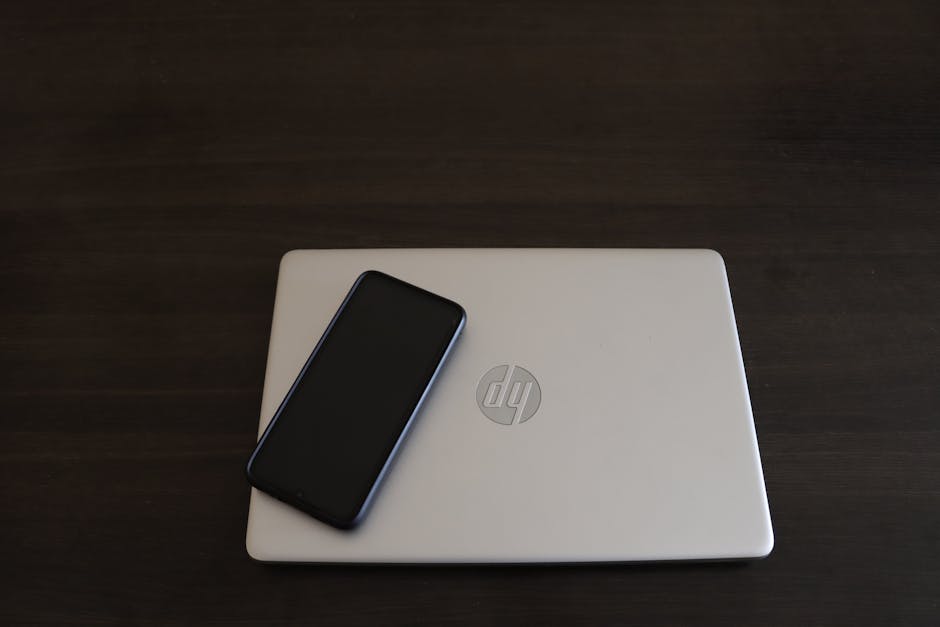
The HP Stream 14 is HP’s entry into the ultra-budget laptop category, and it’s designed for cloud-first users. With limited onboard storage, it leans heavily on Microsoft 365 and OneDrive. However, HP’s build quality keeps this machine feeling more durable than its price tag suggests. The 14-inch screen offers a comfortable workspace for light daily tasks.
- Pros:
- Very affordable entry price
- Lightweight and easy to carry
- Decent battery life for its class
- HP’s build quality is above average for the price
- Cons:
- Very limited internal storage (32–64GB)
- Processor is entry-level — not suitable for multitasking
- Not upgradeable in most configurations
Best for: Cloud-dependent users, casual browsers, or parents buying a simple laptop for younger kids who mostly use Google Docs or stream content.
4. ASUS VivoBook 15
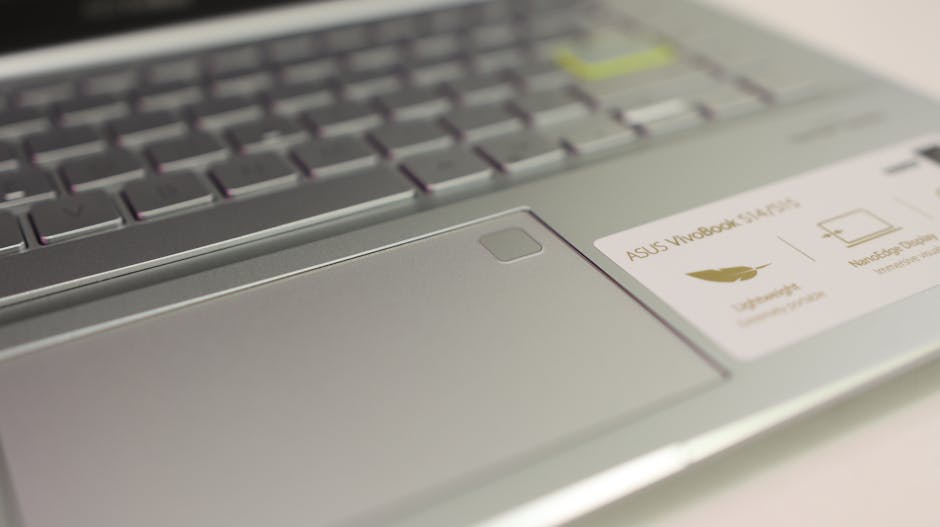
The ASUS VivoBook 15 is a step up in the budget segment, offering a more premium feel without a hefty price tag. With Intel Core i3/i5 or AMD Ryzen options, an IPS display, and a fingerprint reader on some models, this laptop competes strongly for longevity. ASUS has a solid track record for durability, and the VivoBook line receives regular software support updates.
- Pros:
- Better display quality than most budget competitors
- Slim and modern design with color options
- Backlit keyboard standard on most variants
- Expandable RAM and SSD for future-proofing
- Cons:
- Slightly pricier than the most entry-level options
- Battery life is average (around 6–7 hours)
- Speakers are underwhelming
Best for: Users who want a budget laptop that can grow with them — ideal for students or remote workers expecting 4–5+ years of use with a possible RAM upgrade down the line.
5. Microsoft Surface Go 3

The Microsoft Surface Go 3 blurs the line between tablet and laptop, but as a compact 2-in-1 device, it offers impressive longevity for budget-minded users. Built with Microsoft’s trademark premium materials, it feels significantly more durable than similarly priced plastic laptops. It runs full Windows 11, receives long-term Microsoft support, and is perfect for users who value portability and build quality.
- Pros:
- Premium magnesium build — far more durable than plastic budget laptops
- Long Microsoft software support lifecycle
- Versatile 2-in-1 tablet/laptop functionality
- Compact and ultra-portable at 10.5 inches
- Cons:
- Type Cover keyboard sold separately (adds cost)
- Performance is modest — best for light tasks only
- Smaller screen may not suit all users
Best for: Users who prioritize build quality and longevity above all else, and want a compact device that can double as a tablet for 5+ years.
Top 3 Quick Picks at a Glance
| Laptop | Best For | Link |
|---|---|---|
| Acer Aspire 3 | Students & everyday use | Check Price (paid link) |
| ASUS VivoBook 15 | Future-proof budget pick | Check Price (paid link) |
| Microsoft Surface Go 3 | Best build quality in budget | Check Price (paid link) |
Buying Guide: What to Look for in a Long-Lasting Budget Laptop
When asking how long will a budget laptop last, the answer really comes down to a handful of key specifications and design choices. Here’s what to focus on:
- Processor: AMD Ryzen 3/5 or Intel Core i3/i5 chips offer better longevity than entry-level Celeron or Atom processors. A stronger CPU means your laptop won’t feel sluggish as software demands grow.
- RAM: At minimum, look for 8GB of RAM. 4GB will struggle within a year or two. Even better — choose a laptop with upgradeable RAM slots so you can extend its life later.
- Storage: Always opt for an SSD over eMMC or HDD storage. SSDs are faster, more durable (no moving parts), and will keep your laptop feeling snappy for years longer.
- Battery capacity: Look for models rated at 8+ hours. Budget laptops with poor batteries often degrade faster, meaning you’ll be tethered to a charger sooner than expected.
- Build quality: Metal or reinforced chassis laptops outlast cheap all-plastic designs. Even if you stay plastic, brands like Lenovo and ASUS tend to be more durable than off-brand competitors.
- Software support: Make sure your chosen laptop supports Windows 11 and will receive security updates for years to come. A laptop with outdated OS support becomes a security risk faster.
- Upgradeability: Laptops with accessible RAM and SSD slots give you the ability to extend their useful life significantly — often doubling it from 3 years to 5–6 years with a simple upgrade.
Choosing wisely on these points can mean the difference between a laptop that dies in 2 years and one that serves you faithfully well into the decade.
Conclusion: Which Budget Laptop Will Last You the Longest?
So, how long will a budget laptop last? With the right choice, you’re looking at a solid 3 to 5 years — sometimes more. Our top recommendation for most users is the Acer Aspire 3, which offers the best combination of performance, upgradeability, and brand reliability at a budget price point. If build quality is your top priority, the Microsoft Surface Go 3 is worth the stretch. And for those who want room to grow, the ASUS VivoBook 15 is hard to beat. Whatever you choose, prioritize RAM, SSD storage, and a reputable brand for the best long-term value.